
| Buying field | Original CS75 / facelift | CS75 PLUS |
|---|---|---|
| Identity | Verify original model and facelift | Verify PLUS generation and year |
| Technical data | Use matching market and VIN records | Use matching PLUS records |
| Parts | Confirm installed part numbers | Do not assume original CS75 compatibility |
| Quotation | Separate original-CS75 shortlist | Separate PLUS shortlist |
Define what the seller is offering
Ask for the full model name in the original sales document, a readable manufacturer label and photographs of the front, rear and dashboard. Keep the Chinese trim description alongside its translation. A listing headed simply “CS75” may be a broad search label, while its photographs show a PLUS. Resolve that difference before comparing prices or presenting the car to a customer.
The original CS75 and its facelift belong in one buying family; PLUS offers need their own identification fields. Regional descriptions such as FL can help explain a facelift, but are not a universal trim code. Do not infer an exact engine or transmission from the grille. Badges and body parts can be replaced, and an attractive photograph does not establish which factory specification belongs to the VIN.
If an advertisement adds a PRO label, request the original-market model designation and corresponding vehicle documents. Do not translate that label automatically into PLUS or into a specific generation. Compare the actual identified configuration before using the advertisement wording to select parts or describe equipment.
Use the timeline as a starting point
Changan's 2018 annual report records the new CS75 in April of that year. Its 2019 report separately documents the CS75 PLUS introduction. These are useful historical anchors, rather than a complete list of every subsequent model year. A facelifted original CS75 should not be renamed PLUS simply because it was registered after the PLUS launch.
Later PLUS generations introduce another distinction. A current overseas PLUS brochure may describe a substantially different vehicle from an early used PLUS. Record production date, first registration and advertised model year separately. The model-year guide explains how to retain a wide sourcing range without applying current equipment claims to every older car. For mixed-year orders, attach the correct supporting material to each candidate.
Compare powertrains with evidence
Displacement alone is too broad a sorting rule. Ask for the engine designation, transmission identification and drive layout, then connect those details to the vehicle documents. Do not assume every turbocharged CS75 uses the same automatic gearbox, or that every PLUS has the same number of ratios. A common model name cannot replace the technical identity needed for workshop support.
Build separate rows for each verified combination. Include the evidence source and any unresolved field, rather than filling gaps from another advertisement. If the buyer needs a particular transmission for local serviceability, make that an acceptance condition in writing. The transmission guide sets out the inspection questions and records that help turn this preference into a testable purchase requirement.
Within the PLUS family, use the 1.5T versus 2.0T comparison to separate engine choice from generation and equipment.
Price the equipment your customers value
A later-looking cabin may attract attention, but the useful comparison is what actually works in your destination. Demonstrate the air conditioning, display language, reversing image, phone connection and every advertised assistance feature. Separate functions that work locally from services that depend on an account, mobile connection or original-market subscription. Photograph the settings rather than accepting a generic equipment list.
Compare interior condition as well as screen size. Seat mechanisms, roof operation, switches, seals and cargo-area wear influence preparation cost. A less elaborate car with documented maintenance may fit a budget-led dealership better than a more complex version needing undocumented repairs. Conversely, buyers prepared to pay for verified equipment may favour a suitable PLUS. The decision should follow your customer segment, not a blanket ranking.
Within the original family, the FL value comparison isolates useful facelift equipment from age and preparation before a dealer pays the remaining premium.
When two PLUS generations are offered, the purchase value review compares their actual usable differences after preparation instead of assigning every later body a compulsory premium.
Plan parts before mixing a batch
Keep original CS75 and PLUS parts requests separate until a supplier confirms compatibility by part number. Lamps, bumpers, glass, sensors and interior components can change across families and facelifts. Similar-looking photographs are insufficient when the mounting points or electronic configuration differ. Request both the installed part number and the supplier's proposed replacement reference for expensive components.
For an initial batch, consider a narrow range of verified specifications so your workshop can prepare a consistent service plan. A mixed order can still be sensible, but its savings should exceed the extra administration, stockholding and diagnostic uncertainty. Agree how each car will be described on your resale materials. A customer expecting a PLUS should never discover after arrival that the quoted vehicle was an original CS75 facelift.
Make the shortlist decision explicit
Use three outcomes: suitable as offered, suitable after specified evidence or repair, and outside the buying brief. Record why each car receives its outcome. For example, an original CS75 with complete service records may remain suitable for a value-focused buyer, while a PLUS with an unverified replacement gearbox stays pending. This makes substitutions easier to review without moving the acceptance standard.
Send the family you prefer, your acceptable year range, quantity and destination through the dealer enquiry form. If both families are acceptable, request separate comparisons with the same condition and pricing assumptions. Current stock, specifications and complete transaction terms need confirmation against actual candidates; the reference images on this site illustrate model differences and do not represent vehicles reserved for sale.
Another Changan model is still a distinct candidate. The PLUS and UNI-Z comparison requires its own propulsion, equipment and support record before the shared brand influences value.
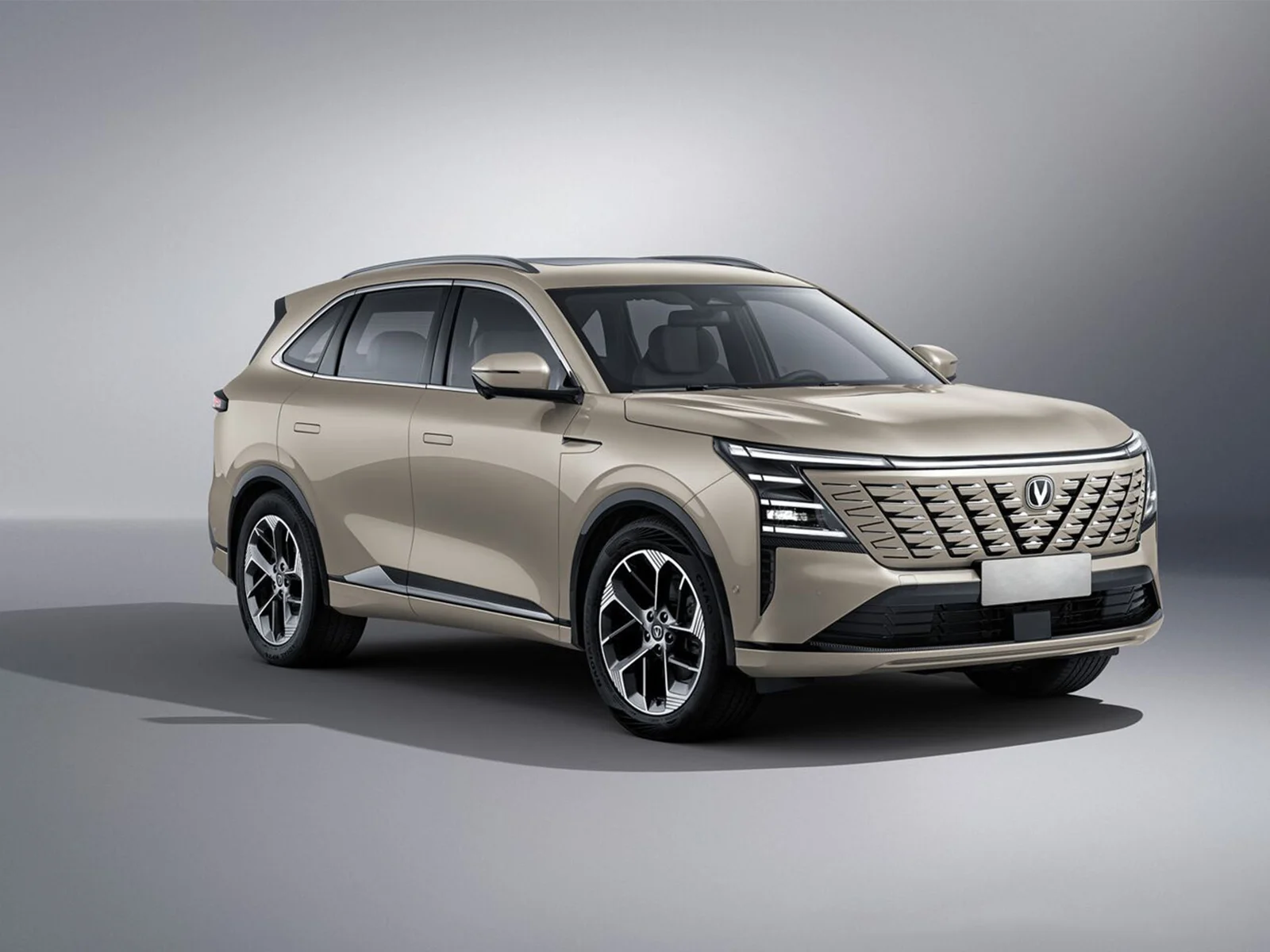
Manufacturer references
Compare these references with the matching market and year. Confirm configuration and condition separately for each vehicle offered.