
Establish which two versions are being compared
Changan’s Saudi launch information from 2021 described 1.5T and 2.0T CS75 PLUS alternatives with different transmissions. That is evidence about those regional launch versions, not a rule for every subsequent PLUS. Later market specifications can use different combinations. Ask for the original configuration of both candidates before assembling a comparison.
The model-year identification guide explains why production, registration and advertised year must remain separate. A newer 1.5T and an older 2.0T may differ in cabin, equipment and support as well as output. Make those differences visible instead of presenting the comparison as an engine-only choice.
Define the performance requirement in everyday terms
Ask what the customer actually needs: regular passengers, luggage, hills, motorway merging or largely urban use. These requirements are more useful than a demand for the highest advertised output. Do not promise acceleration or loaded performance from an unrelated regional test. Request an appropriate demonstration of the actual vehicle where feasible.
Any road evaluation should be lawful and performed by a competent driver under suitable conditions. The useful record describes response, drivability and any concerns. It should not depend on aggressive driving or imply that a short test proves long-term reliability.
Compare the complete powertrain combination
Transmission identification belongs beside engine identification. Do not assume that every 1.5T uses six speeds or every advertised 2.0T has the same eight-speed unit. The 6AT versus 8AT buying guide explains how historical combinations differ from a universal mapping. Match the gearbox record to the individual car.
For used candidates, obtain service evidence and an operational assessment of both engine and transmission. A desirable factory combination does not override poor condition. For new offers, verify the specified combination and production status rather than relying on a photograph of the gear selector.
Check economy under comparable assumptions
Fuel-use comparisons need the same route type, measurement basis and loading assumptions. A smaller engine is not an automatic guarantee of a lower bill in every operating pattern, and a larger engine should not be assigned an invented penalty. Record published ratings separately from observed data.
Use the fuel consumption worksheet to compare what is actually known. If the customer has a demanding load or route, seek relevant evidence instead of extrapolating from a gentle demonstration. A clear budget scenario is preferable to a precise but unsupported prediction.
Separate equipment value from engine value
A trim with a different engine may also include different seating, cameras, driver-assistance features or other equipment. List the items the customer values and verify them on the candidate. Do not attribute the entire price difference to displacement when equipment, year and condition are also changing.
Ask which features work in the destination and what has been demonstrated. An overseas brochure may describe functions that are not confirmed on a China-market offer. Keeping a feature checklist prevents an attractive engine label from carrying unverified equipment promises into the final dealer quotation.
Price condition and support into the choice
For each candidate, record identified repairs, maintenance due and the available service route at the destination. A cheaper vehicle can be less attractive if unresolved work or parts identification makes preparation uncertain. Conversely, a higher price requires a clear explanation of the specification and condition being supplied.
Avoid declaring either engine universally more reliable from a limited set of listings. The buyer needs evidence for the vehicles under discussion. Ask a qualified workshop what information it needs to support the specific powertrain, and keep any commercial warranty arrangement separate from this technical planning.
When the lower-priced engine is not the simpler choice
Suppose an older 2.0T offer costs less than a newer 1.5T. Before deciding, compare production information, inspection findings, gearbox, equipment and preparation. The lower price may reflect several differences unrelated to engine size. Request the same evidence categories for both cars. If the older car has unresolved work while the newer car has a clearer record, show that uncertainty explicitly instead of describing the comparison as more power for less money. Neither offer wins on displacement alone.
Turn the comparison into a clear sourcing request
State the preferred generation or accepted years, expected use, condition preference and essential equipment. If open to both engines, request separately described 1.5T and 2.0T alternatives with their gearbox, condition and included scope. This gives Panda a basis for a useful comparison rather than a list sorted only by advertised price.
The final decision should explain why the chosen combination suits the customer. It may favour condition, support, equipment or operating fit over displacement. Keep unresolved specification questions visible and ask for revised documentation if the proposed candidate changes before acceptance.
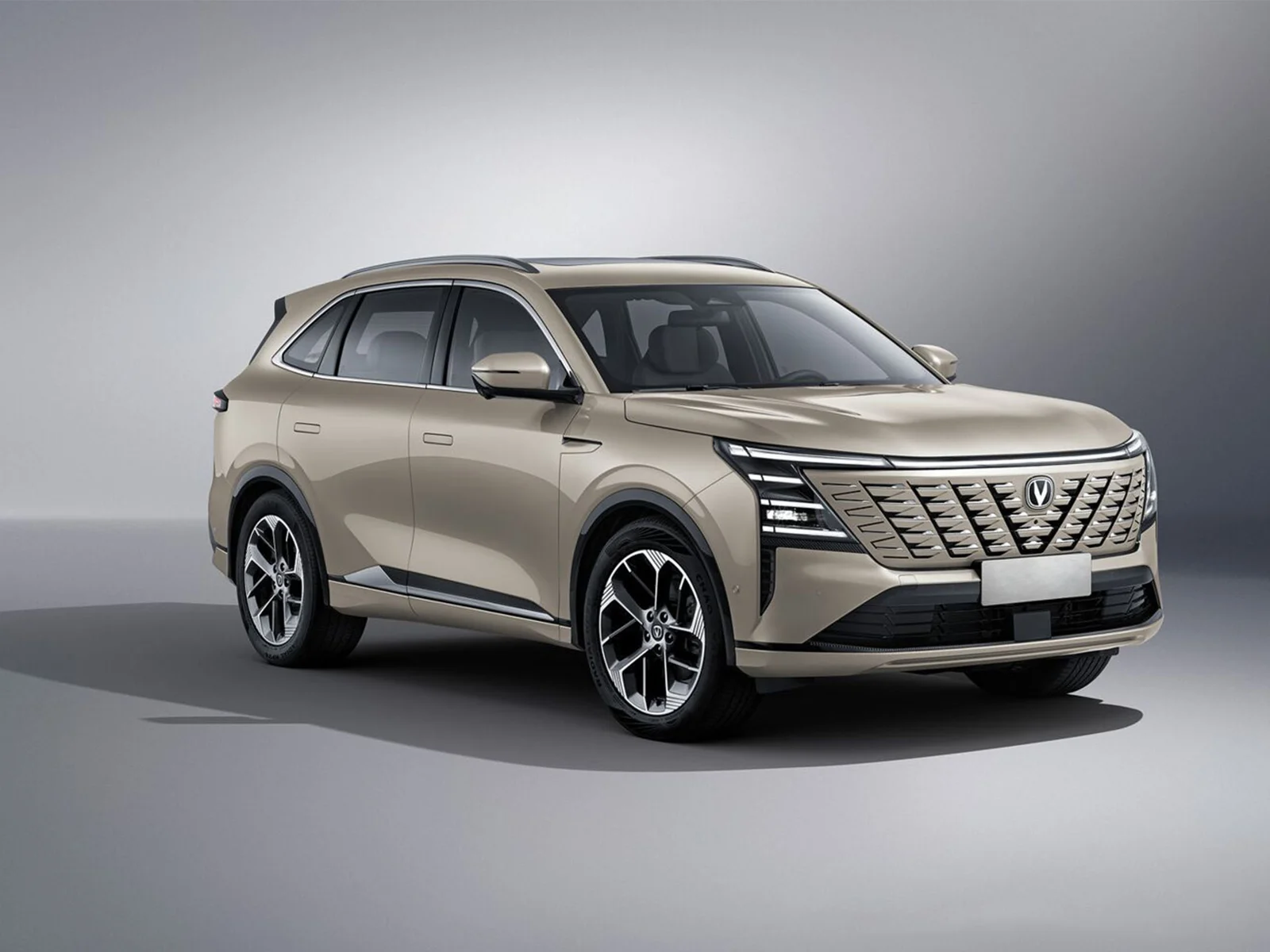
Manufacturer references
Compare these references with the matching market and year. Confirm configuration and condition separately for each vehicle offered.