
Use historical pairings as context, not a universal rule
Changan’s Saudi 2021 launch announcement described a 1.5T with a six-speed automatic and a 2.0T with an eight-speed automatic. Current regional specifications can differ; the Egypt PLUS page reviewed for this guide lists a 1.5T with 8AT. Both statements can be correct for their respective vehicles.
This is why an advertisement’s engine size does not establish the gearbox across all years. Ask for the original version record and production information. The year identification guide helps distinguish the candidate’s actual specification from a later model whose brochure happens to be easier to find.
Confirm the installed unit before asking about reliability
Request the transmission identification available from the vehicle records and a competent inspection. A selector design, manual-shift display or seller’s claim is not sufficient to identify every unit. Keep the exact description in the buying sheet so that servicing and parts discussions refer to the same gearbox.
Avoid turning a broad 6AT or 8AT category into a universal reliability rating. Individual condition, service history and the particular application matter. A dealer should compare the evidence for two cars, not assume that every transmission with the same number of ratios has an identical operating history.
Assess operation across a useful range of conditions
Ask an inspector to define an appropriate cold and warmed-up assessment, including normal engagement and driving behaviour. Record any delay, harshness, warning or unusual sound with its conditions. The report should distinguish a symptom from a confirmed diagnosis. A short warm-engine clip from a seller may leave important questions unanswered.
The transmission inspection guide covers the broader review. Do not request unsafe manoeuvres or improvised tests. A qualified assessment should determine what can be checked safely and what further work is justified when normal operation raises a concern.
Read service records against the applicable guidance
Ask what maintenance has been performed and whether the record identifies the correct unit and materials. A generic statement that the oil was changed is incomplete if the product, procedure or date cannot be established. Relevant guidance should come from the correct vehicle documentation and a competent workshop, not a schedule copied from another gearbox.
Do not invent a universal change interval for every CS75 PLUS automatic. If the history is missing, ask the workshop to recommend the next appropriate assessment and preparation scope. Keep that recommendation separate from a seller’s claim that no service is ever needed.
Consider the complete driving package
Gear count interacts with engine, calibration, vehicle mass and operating conditions. It cannot independently predict fuel use, quietness or overtaking response. If the customer values a particular driving pattern, request a relevant demonstration and describe the exact version being tested.
The 1.5T and 2.0T comparison helps keep engine choice in the discussion. Compare the actual combinations offered rather than changing several variables and attributing the result to the gearbox alone. The better purchase may be the car with clearer condition evidence and suitable support, even when its gear count is lower.
Budget uncertainty and workshop access
A used car with unresolved transmission symptoms should not be priced as if a simple service will certainly cure them. Obtain diagnosis and a defined repair proposal where needed. Ask whether the destination workshop can identify parts and provide appropriate support for the installed unit.
Separate confirmed preparation from contingency in the comparison. If both cars appear acceptable but one has missing records, record that difference rather than hiding it in an overall score. A buyer can then decide whether the price, inspection access and available support justify proceeding with that particular candidate.
How to compare an uneven pair of offers
A six-speed car with complete records and an eight-speed car with an unexplained shift concern are not a clean technology comparison. Have the concern assessed before assigning value to the extra ratios. If the seller proposes remedial work, request the diagnosis, scope and recheck result. Until that evidence arrives, keep the second candidate’s condition unresolved. A dealer can prefer one combination commercially, but should not allow that preference to erase material differences in the vehicles being offered.
Write a request that does not accidentally exclude suitable cars
If six or eight speeds is a firm customer requirement, state it clearly with the accepted family and years. If the real priority is smooth operation, documented service or support availability, describe that priority instead of using gear count as a substitute. Ask Panda for separately identified alternatives where appropriate.
Before accepting an offer, reconcile engine, gearbox and vehicle identity across the documents and inspection. Keep the test findings and agreed preparation attached to the candidate. A changed vehicle requires renewed confirmation, even if the replacement advertisement repeats the same 6AT or 8AT wording.
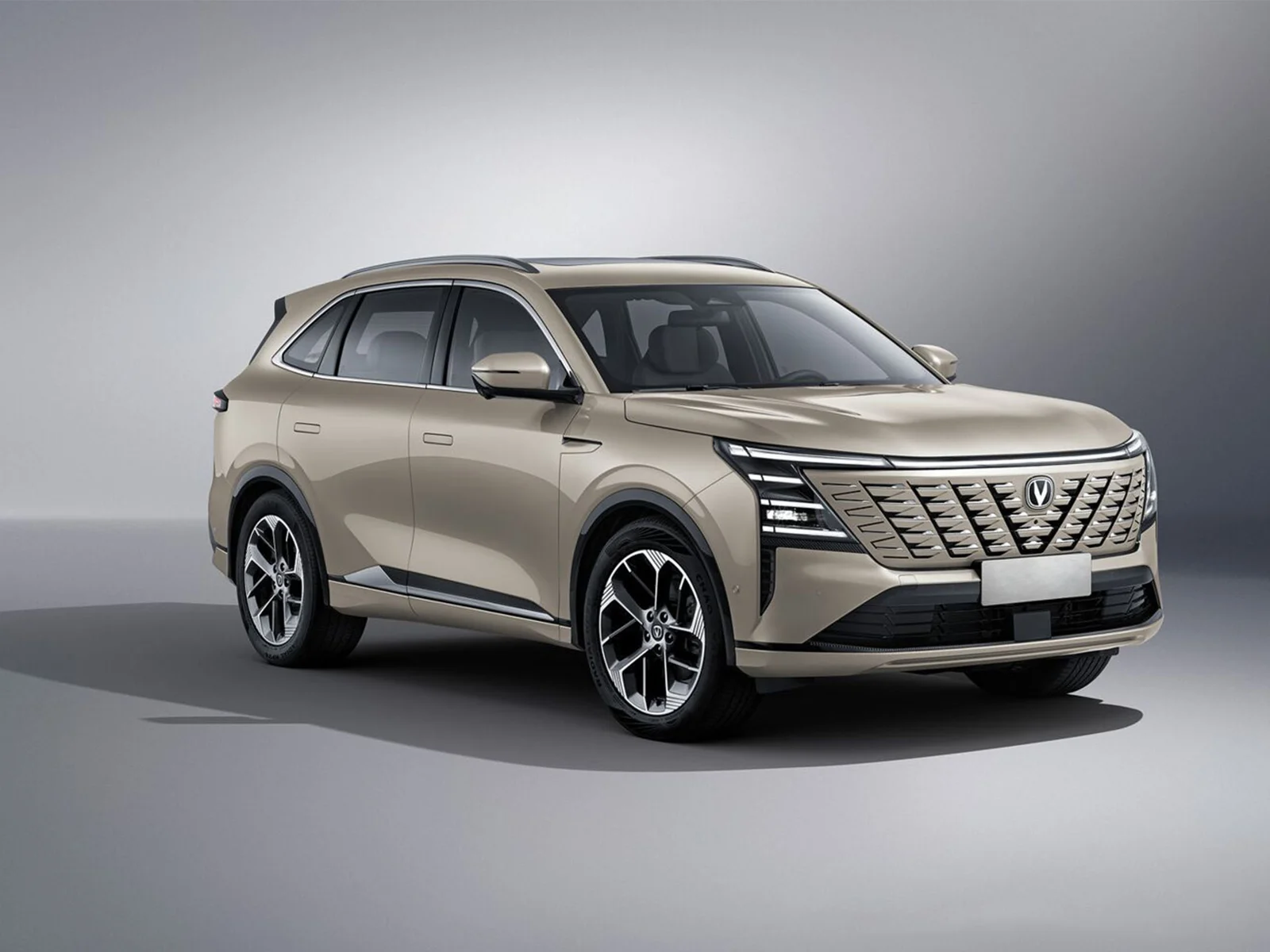
Manufacturer references
Compare these references with the matching market and year. Confirm configuration and condition separately for each vehicle offered.