
| Situation | Decision to make |
|---|---|
| Both candidates meet essential use | Compare prepared evidence and full amount |
| Powertrain or body designation unclear | Resolve identity before using figures |
| Older car needs unscoped work | Obtain appropriate assessment before assigning a saving |
Separate generation and original-market body arrangements
Record the actual designation, production information, original market and status of each vehicle. Use the CS75 family guide to distinguish original, FL and PLUS. For Volkswagen, confirm the offered Tiguan configuration rather than filling a China-market L record from a European short-body reference. Volkswagen’s dated European third-generation announcement describes its own introduction, not every China-sourced older Tiguan. Keep model-related labels with the evidence that identifies them. A familiar name is useful for search but insufficient for parts, equipment or dimension comparisons. Resolve inconsistent seller descriptions before a premium is justified by a different generation’s specification.
Compare real passenger fit and ordinary access
Assess the same passengers, regular seating positions and bags where a suitable practical trial is available. The CS75 practical fit guide supplies one side. Use the actual child restraint and instructions if relevant rather than presuming every rear-seat arrangement is equivalent. Review the normal parking location and exit space. Published body dimensions do not establish usable room for the customer’s exact combination. Record whether the practical difference matters and keep trial limitations visible. A long-body name cannot by itself certify comfort, just as an SUV badge cannot guarantee easier access for an older passenger or adequate space beside a fitted restraint.
Identify powertrain before discussing running requirements
Request the fitted engine, gearbox, drive arrangement and applicable maintenance information for each car. The CS75 engine record covers its own configuration. Have an appropriate Volkswagen provider assess the actual Tiguan systems; do not infer a universal transmission or propulsion from the badge. Normal operating evidence and supported service requirements matter more than a general assumption about engine size. If an electrified candidate enters the comparison, assess its own operation and receiving support rather than treating it as identical to a petrol car. Keep fuel observations tied to units, routes and conditions before drawing a running-cost conclusion from two different seller records.
Assess age and condition through actual evidence
Obtain matched histories and appropriate qualified inspections with findings, scope and limitations retained. The history-gap decision guide helps distinguish recoverable evidence from essential uncertainty. A newer CS75 can still have unresolved work; an older Tiguan can have strong documentation or substantial preparation needs. Do not assign a reliability winner through brand reputation or the number on the odometer. Ask qualified providers to define necessary correction and relevant completion evidence. Keep uninvestigated concerns outside fixed minor allowances. The buyer needs a comparison of the two present vehicles, not a claim that a country of origin or age label determines every future repair. Use the status evidence guide where new stock and used offers enter the same shortlist.
Check receiving support and valuable equipment
Ask local providers about the identified components, relevant procedures and usable regional systems for both candidates. The support planning guide keeps vehicle identity with the enquiry. A familiar local brand network does not establish support for every imported China-market configuration. Confirm any warranty claim with its actual provider and applicable terms. Demonstrate required parking, climate and seating functions before assigning their premium. Optional presentation may matter to a customer, but it should not hide an essential unsupported feature. Record which benefits the receiving dealer can explain and maintain rather than using the original retail positioning as a compulsory current-value advantage.
Judge the complete prepared offers and remaining reserve
Align dated quotes, currency, delivery stage and known preparation through the complete offer worksheet. Add applicable receiving estimates and review the operating budget with the ownership plan. A lower asking price may require more supported work, while a higher price needs a useful documented benefit. Retain material uncertainty separately. Choose the candidate meeting the customer’s tasks with acceptable evidence and support, or request another if neither qualifies. Reassess a substituted vehicle. Do not promise a fixed resale outcome or a universal maintenance saving from the model badge; preserve the actual basis that makes this purchase suitable for the receiving dealer.
Before choosing this offer
- Tiguan designation and market recorded
- CS75 family identified
- Passenger task assessed consistently
- Powertrain and condition reviewed
- Complete reserve compared
Buyer questions
Can European Tiguan data identify a China-market Tiguan L?
No. Match the actual body, generation, market and fitted configuration before using specifications.
Should a newer CS75 automatically beat an older Tiguan?
No. Require both actual cars to meet the brief and compare condition, supported preparation and complete value.
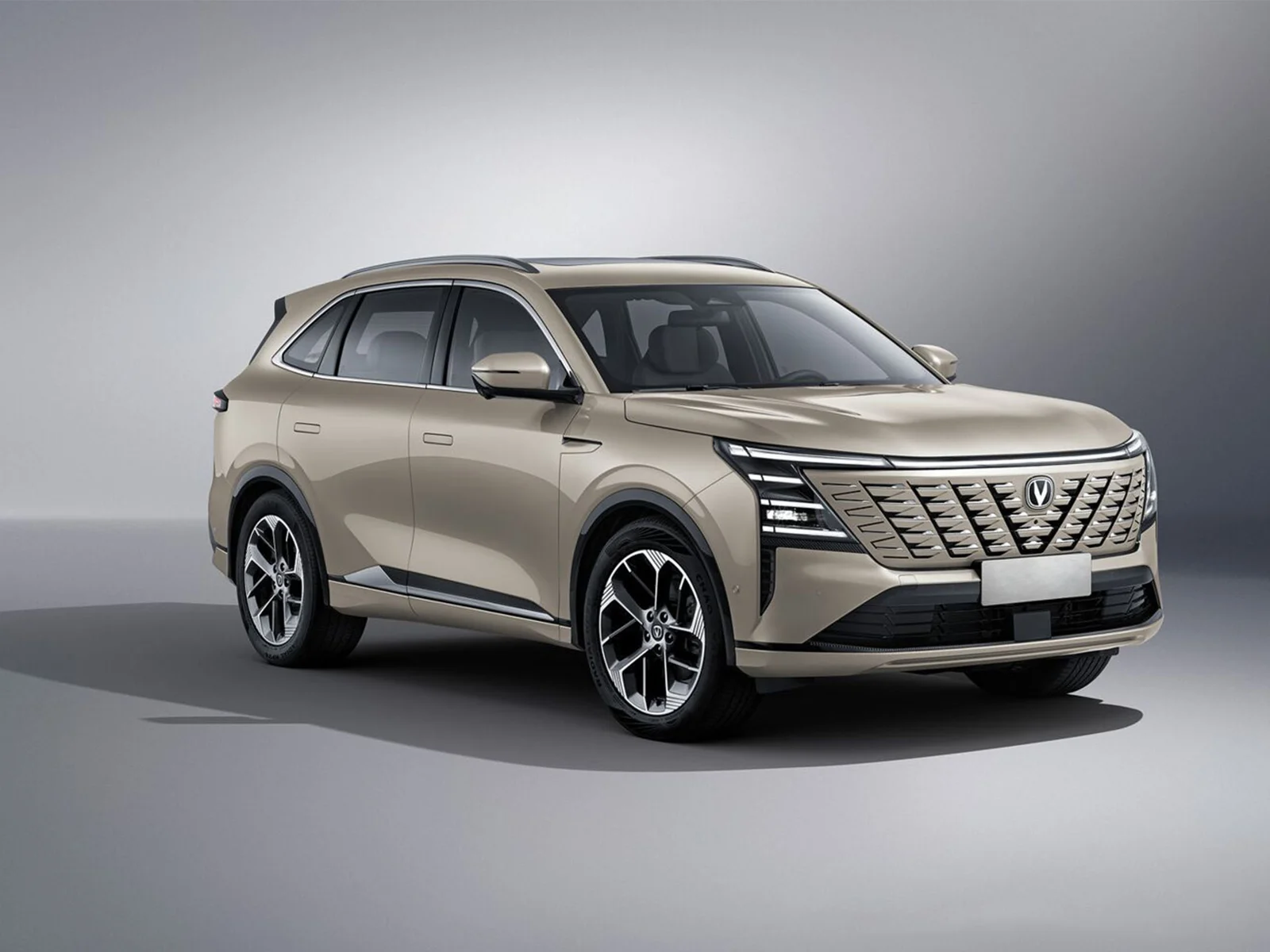
Manufacturer references
Compare these references with the matching market and year. Confirm configuration and condition separately for each vehicle offered.