
| Situation | Decision to make |
|---|---|
| Different propulsion meets the same use | Compare actual operation and support |
| Energy records are incompatible | Align units and circumstances before using totals |
| Essential specialist assessment missing | Obtain relevant evidence before acceptance |
Identify original market, generation and propulsion
Request the original designation, production information, status and fitted powertrain of each candidate. The CS75 year and family record establishes one side. Match the RAV4 to appropriate Toyota records for its own market and generation. Toyota’s 2025 US announcement describes petrol and hybrid offers within that dated lineup; it cannot identify every China-sourced vehicle or a later market’s range. Do not treat the model badge as proof of charging requirements or one engine. Record material configuration differences before comparing figures. Where a seller changes the candidate, update the vehicle file instead of retaining specifications copied from the first offer.
Assess passenger and loading fit with equivalent tasks
Compare normal occupants, seating positions, access and actual luggage using an appropriate practical trial where possible. The family review keeps restraint compatibility with actual vehicle and restraint instructions. An SUV label does not establish the desired seating combination. Use published dimensions only with their relevant configuration and measurement basis. Keep an unavailable trial as a limitation. Ask which useful difference matters: loading the ordinary bags, passenger entry in the regular bay or a comfortable normal driving position. Avoid declaring one model more practical from a single cargo figure measured under a different seat or floor arrangement. The customer needs evidence for their actual use.
Keep operating records comparable and propulsion explicit
For each selected car, request appropriate normal operation and consumption evidence with units, route and conditions. The CS75 consumption worksheet explains why an isolated seller figure is insufficient. A hybrid’s observed result should retain its actual circumstances; a plug-in comparison needs charging and energy-use context where relevant. Do not combine electric and fuel observations into an unexplained universal cost number. Use current local energy assumptions only when stated and supported. Ask appropriate providers about the fitted systems and applicable operation. A customer’s lack of charging access matters to a plug-in brief without automatically making every non-plug-in hybrid unsuitable for ordinary use.
Apply the relevant qualified inspection scope
Obtain matched service histories and appropriate professional assessment for both candidates. The CS75 inspection framework supplies one side, while a RAV4 electrified configuration may call for specific additional scope from the relevant provider. Do not invent a universal battery acceptance percentage or claim the model name proves component health. Record findings and limitations for the selected car. A familiar reliability reputation cannot establish its maintenance, accident history or current condition. Keep unassessed symptoms outside minor repair allowances. Necessary work needs an identified supported proposal and relevant completion record before the buyer treats the candidate as prepared and ready for acceptance.
Compare usable equipment and receiving support
Identify essential parking, climate and seating functions on each actual offer and demonstrate their normal permitted use. The assistance value guide helps separate useful features from a broad technology label. Ask receiving workshops about compatible components, procedures and regional service limitations for the identified vehicles. Confirm any warranty or coverage claim with the responsible provider and applicable terms. A local Toyota presence does not establish support for every imported original-market variant, just as a current Changan brochure does not certify an older car’s equipment. Retain support gaps where they matter to essential use rather than turning brand recognition into an all-purpose acceptance guarantee.
Choose on complete supported value for the customer
Align currency, quote dates, delivery stage and inclusions using the quotation worksheet. Add supported required work and relevant receiving estimates, with an operating plan appropriate to the actual propulsion. If the complete premium buys a demonstrated customer benefit and acceptable support, record that basis. If not, keep a suitable alternative available. Do not promise resale value, a universal ownership-cost saving or a fixed future maintenance result for either model. Resolve essential uncertainty before choosing, and review a substitution separately. The final explanation should connect the selected vehicle’s actual condition and useful functions to the purchase amount, rather than relying on a generic national-brand or model-reputation ranking.
Before choosing this offer
- Actual RAV4 propulsion confirmed
- Both market configurations identified
- Practical passenger use assessed
- Relevant specialist scope recorded
- Equivalent complete offers compared
Buyer questions
Does every RAV4 require charging?
No. Confirm the actual propulsion and applicable instructions; petrol, non-plug-in hybrid and plug-in configurations are distinct.
Can brand reputation replace an inspection?
No. Review the selected vehicle’s actual records, present findings and relevant limitations.
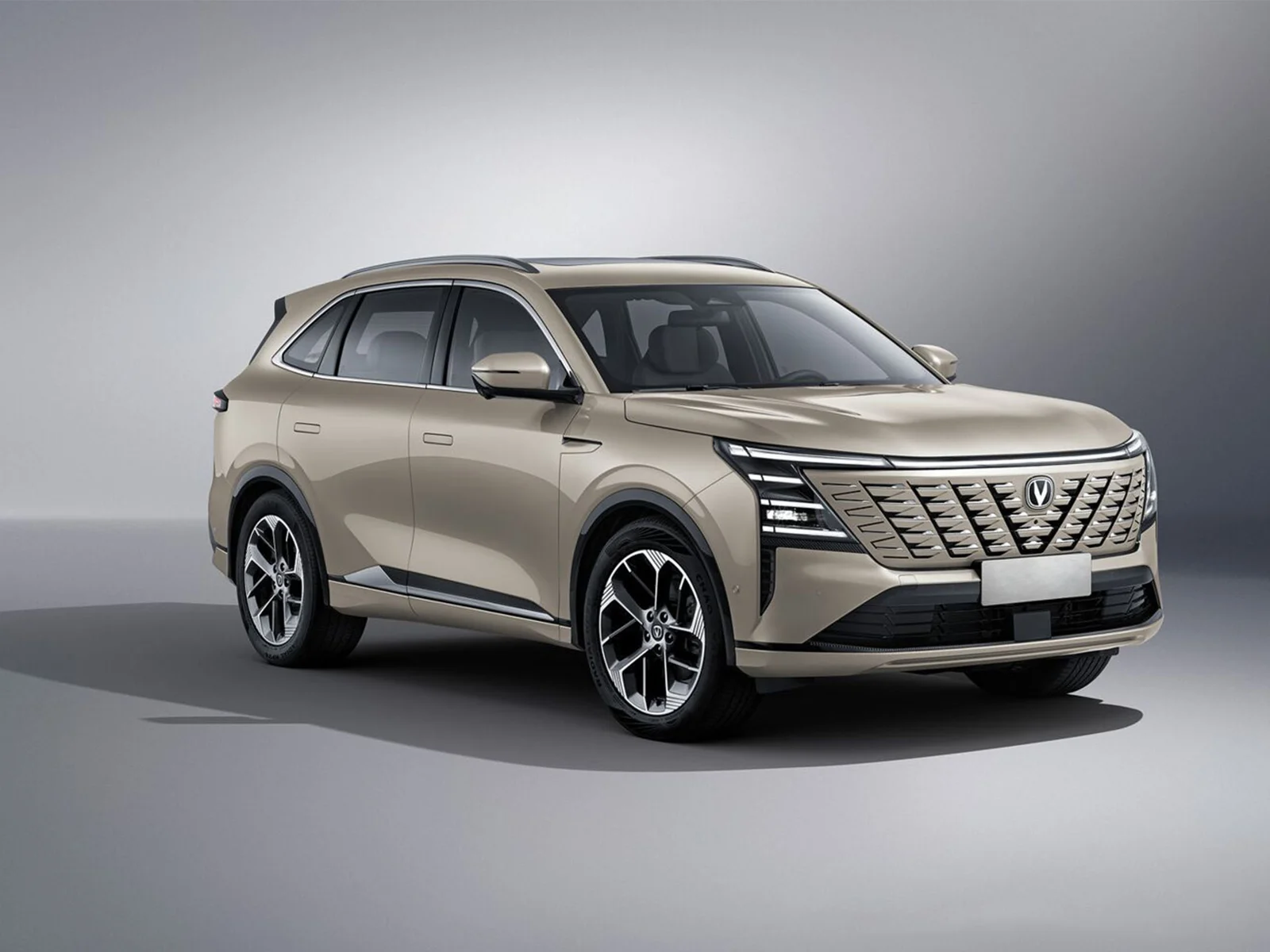
Manufacturer references
Compare these references with the matching market and year. Confirm configuration and condition separately for each vehicle offered.